Cosmetic surgery has become huge around the world. Seriously huge. According to the American Society of Plastic Surgeons, around 15.6 million cosmetic procedures were performed in the U.S. alone in 2020, and more than 92% of those patients were women. That’s honestly wild when you think about it.
And the interesting part? People aren’t only chasing a different look. There’s usually something much deeper going on underneath — confidence issues, social pressure, insecurity, the desire to feel accepted, or sometimes just wanting to finally feel comfortable in your own skin.
A lot of people who consider cosmetic procedures struggle with body dissatisfaction or low self-esteem. Some have spent years feeling insecure because of comments from other people, bullying, relationships, or simply comparing themselves to impossible beauty standards online. After a while, surgery can start to feel like the “solution” that will finally fix everything.
But here’s the thing — changing your appearance can also affect your mind in ways people don’t always expect.
The Emotional Side Nobody Talks About Enough
People usually focus on the physical recovery part of surgery: swelling, bruising, healing time, scars. But wow… the emotional recovery can be just as intense.
Some people feel excited at first and then suddenly crash emotionally afterward. Mood swings, sadness, regret, anxiety, irritability — all of that can happen. Some even look in the mirror and think, “Wait… what did I just do?”
And honestly, that reaction surprises a lot of patients because nobody really prepares them for it.
Especially with procedures that change the face, like rhinoplasty, there can be this strange emotional adjustment period where the person simply doesn’t recognize themselves yet. Even if the result looks objectively good, the brain still needs time to catch up.
That’s such a weird thing to think about, right? You can technically get what you wanted and still feel emotionally overwhelmed by it.
Social Media Has Changed Beauty Standards Completely
Let’s be real — social media has changed everything.
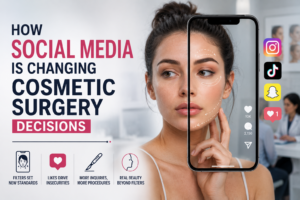
Filtered faces, tiny noses, perfect jawlines, flawless skin… after seeing those images every single day, people naturally start comparing themselves. And after enough comparison, insecurities start growing.
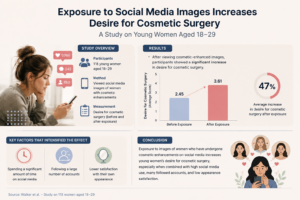
Research involving women between 18 and 29 years old found that constantly viewing cosmetic-enhanced faces online increased the desire for cosmetic surgery. Honestly, that makes complete sense. When a certain look is repeated over and over again, it starts feeling “normal,” even when it’s heavily edited or surgically altered.
The scary part is that people often don’t even realize how much this affects them psychologically.
At some point, natural features start looking “wrong” simply because the internet has trained people to expect perfection.
Surgery Can Improve Confidence… But It Doesn’t Magically Fix Everything
This is probably one of the biggest misunderstandings about cosmetic surgery.
Yes, many people do feel happier afterward. They may feel more confident in photos, more comfortable socially, or less focused on a specific insecurity. That part is real.
But surgery doesn’t automatically erase deeper emotional struggles.
Studies found that many cosmetic surgery patients already had underlying mental health conditions such as depression or anxiety before surgery. In one study of 1,000 cosmetic patients, around 44% had a current or past psychological disorder. That’s a really significant number.
And honestly, it explains a lot.
Because if someone already struggles with self-worth internally, changing one physical feature may only provide temporary relief. After a while, the mind can simply move on to another insecurity.
First it’s the nose. Then the lips. Then the jawline. Then the skin. It can become an endless cycle.
Body Dysmorphic Disorder Changes Everything
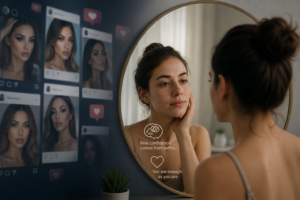
One of the biggest psychological concerns linked to cosmetic surgery is Body Dysmorphic Disorder, or BDD.
People with BDD become intensely fixated on flaws that are either extremely minor or sometimes not even visible to others at all. What’s heartbreaking is that many genuinely believe surgery will completely change their lives and finally make them happy.
But unfortunately, that often doesn’t happen.
Research shows that people with BDD frequently remain dissatisfied even after surgery because the core issue isn’t actually the physical feature — it’s the mental perception surrounding it.
And wow, the emotional burden can be severe. Higher rates of depression, obsessive thoughts, anxiety, social isolation, eating disorders, even suicidal thinking have all been associated with BDD.
That’s why so many experts stress the importance of psychological support before considering surgery.
Unrealistic Expectations Can Lead to Huge Disappointment
Some patients walk into consultations holding celebrity photos saying, “I want to look exactly like this.”
And honestly… sometimes that’s just not realistic.
Face shape, bone structure, skin type, anatomy — all of those things matter. A good surgeon has to explain those limitations clearly, even when the patient really doesn’t want to hear it.
Because if someone goes into surgery expecting a completely different life afterward, disappointment can hit hard.
Some people think:
“People will like me more.”
“I’ll finally be confident.”
“My relationships will improve.”
“Everything will change.”
Then surgery happens… and real life is still real life.
That realization can feel emotionally crushing for some patients.
Even Society Judges Cosmetic Surgery Sometimes
This part is honestly surprising.
People often assume becoming more attractive automatically leads to better treatment socially. But studies found that women who had cosmetic procedures were sometimes judged more negatively in terms of warmth, morality, or authenticity.
Especially women who were already considered attractive before surgery.
It’s strange, right? Society promotes beauty constantly, but at the same time can criticize people for pursuing it “too much.”
So even after surgery, some people end up dealing with new emotional stress they never expected.
Sometimes the Biggest Change Happens Internally
One woman named Gabi shared her experience after getting breast implants in her early twenties. She thought bigger breasts would make her feel more confident and happier.
But after surgery, the opposite happened.
She actually became more self-conscious. She felt disconnected from herself, uncomfortable in clothes, and emotionally unsettled. Years later, she decided to remove the implants because she realized the surgery no longer aligned with who she truly felt she was.
And honestly, stories like that are powerful because they show something important:
Not every insecurity is solved physically.
Sometimes what people are really searching for is self-acceptance, confidence, emotional healing, or peace with themselves.
Final Thoughts
Cosmetic surgery can absolutely help some people feel better about themselves. For certain individuals, it genuinely improves confidence and quality of life.
But it’s important to understand that surgery is not emotional magic.
If deeper struggles like anxiety, depression, low self-esteem, trauma, or body dysmorphia exist underneath, changing appearance alone may not fully resolve them. Sometimes it can even make things more emotionally complicated.
That’s why the psychological side of cosmetic surgery matters so much.
Before changing your body, it’s worth asking:
Am I doing this for myself?
What am I really hoping will change afterward?
Is this about appearance… or something deeper?
Because real confidence usually starts long before the surgery ever does.