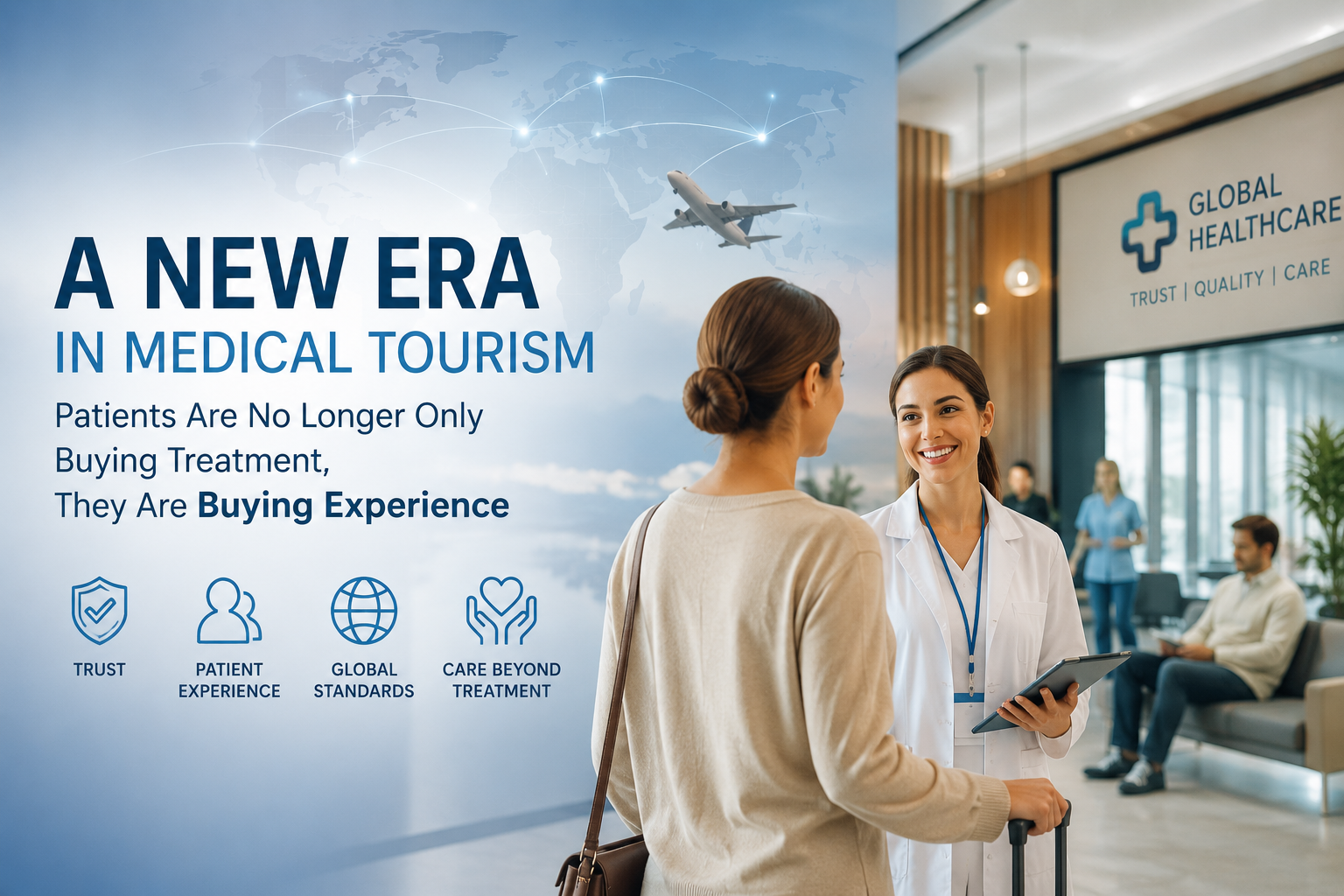
The medical tourism sector has grown for years around price advantages, highly skilled doctors, and fast treatment processes. However, the industry is now evolving into a very different stage. Today, one of the most important factors shaping patient decisions is no longer only the success of the operation, but the overall experience they go through from start to finish.
Because people are no longer traveling to another country just to undergo surgery. They are also looking to purchase a process in which they feel safe, comfortable, and psychologically supported.
In recent years, patient experience in healthcare tourism has become one of the most critical competitive areas for many clinics and hospitals.
Patients Now Expect Much More
In the past, medical tourists were often focused mainly on the cost of the procedure. Today, the situation is quite different.
A patient now wants clear answers to questions such as:
- Who will perform the operation?
- What are the success rates?
- How are potential complications managed?
- What kind of support is provided before the procedure?
- How does the post-operative process work?
- Are accommodation and transfer services reliable?
- Will I truly feel safe in that country?
For many patients, a stressful medical journey can even psychologically influence the outcome of the operation.
Being in a foreign country, dealing with language barriers, facing transportation issues, or feeling insufficiently informed can negatively affect the entire experience.
For this reason, a “successful surgery” alone is no longer considered enough.
Trust Has Become the Most Valuable Currency in Healthcare Tourism
In the post-pandemic period, one of the most valuable concepts in healthcare has become trust.
International patients are now paying attention not only to the expertise of the doctor, but also to the institution’s process management, communication quality, and transparency.
At this point, international accreditation systems such as Global Healthcare Accreditation (GHA) stand out.
GHA is recognized as an important organization that evaluates healthcare tourism programs in terms of patient experience, quality management, and compliance with international standards.
According to industry experts, third-party accreditation systems create a strong sense of trust, especially for patients seeking treatment abroad.
Because patients are now looking beyond advertisements and also considering independent quality assessments.
Cultural Differences Directly Affect Patient Experience
One of the most overlooked aspects of medical tourism is cultural compatibility.
Not every patient has the same expectations.
For example, the communication style expected by a patient from North Africa may differ significantly from that of a patient from the United Kingdom or the United States. Similarly, patients from Gulf countries may have different expectations regarding food preferences, privacy standards, and service quality.
Experts emphasize that successful healthcare tourism programs must now invest not only in medical quality but also in cultural sensitivity.
As a result, many international healthcare providers are now adapting:
- staff training programs
- patient communication processes
- welcome and reception procedures
- even visual and promotional materials
to different cultural expectations.
Weak Marketing Can Hold Back Strong Clinics
Another striking reality in the sector is this:
Some clinics and hospitals are medically highly capable, yet they fall behind due to insufficient patient communication and weak digital visibility.
Incomplete websites, unclear service processes, or untrustworthy patient communication can directly influence international patients’ decisions.
In healthcare tourism, the first impression is now often formed digitally.
Before a patient even contacts a clinic, they:
- visit the website
- read reviews
- evaluate social media presence
- assess how transparently the treatment process is explained
For this reason, marketing in healthcare tourism is no longer just about advertising. Creating a trustworthy digital experience has become just as important as the quality of the operation itself.
Patient Experience Begins Before the Operation
According to experts, patient experience in medical tourism is not limited to what happens inside the hospital.
In fact, the process begins with:
- the first message
- the first phone call
- the first piece of information provided
and continues even after the operation.
Patients no longer expect only a successful procedure. They also want to:
- feel understood
- receive continuous support
- go through recovery without stress
- maintain a sense of trust throughout the journey
This is why the key concept of the new era in healthcare tourism is becoming increasingly clear:
“Patient experience.”
Because in the end, people are not only purchasing treatment.
They are also purchasing how they feel throughout the entire process.