Those planning to seek treatment abroad for beauty or health reasons often set out with the hope of shorter waiting times and lower costs. Indeed, the global medical tourism market is worth over $100 billion, and in recent years the number of patients travelling abroad from countries such as the UK, Canada and the US has increased exponentially.
Medical Tourism: Why Is It So Popular?
The main advantages behind the trend of seeking surgery abroad are cost and waiting times. Prices in the US and Canada for procedures such as cosmetic surgery, dental treatment or hip replacements can be significantly higher than in countries such as Mexico, Costa Rica, Turkey or India. For example, a neck lift costing $7,000 in the US can cost as little as $3,000 in Costa Rica; breast augmentation costing $8,000 can cost $3,000; and a tummy tuck costing $15,000 can cost as little as $4,000.
In Turkey, the package price for procedures such as hair transplants can amount to 3–4 thousand dollars, including transport and accommodation. Many clinics market these procedures as attractive packages, including five-star hotel accommodation and VIP transfers. Furthermore, in many countries, waiting times are shorter or non-existent:
These figures are boosting the medical tourism sector. However, it should not be forgotten that many so-called ‘holiday-style’ health breaks, which are perceived as cheap, may be based on a concept of minimal benefit that forms the backbone of the pricing model. Undergoing cosmetic surgery abroad is not as simple a choice as going shopping to buy a jacket on sale. There are also serious responsibilities and risks associated with the post-operative period.
A Real Nightmare: Nicole’s Story
Nicole Gregorov from the Niagara region of Canada was a mother of four and a local business owner. She had already had a massive tumour removed from her abdomen. To boost her confidence before the New Year, she planned a procedure known as a ‘mummy makeover’: a tummy tuck and a breast lift. Instead of the high costs in Canada, she travelled to Costa Rica in the autumn of 2025 for a clinic she found affordable. The package cost nearly $20,000; when flight costs were added, it was approximately 25% cheaper than the option in Canada.
At first, everything seemed to be going well; that is, until she realised what had happened when she woke up from the operation. Nicole had been in a coma for three weeks, a period she couldn’t remember. Her organs had failed. When he woke up, he couldn’t move his arms and legs and couldn’t even manage simple daily tasks on his own.
It soon became clear that all her fingers and toes had to be amputated due to septic shock (sepsis). Her friends stepped in to help her recover from the provincial hospital: her close friend Rod Ponkins paid the $85,000 air ambulance fee for her return home. To enable her return to the country, a search for an available bed in the intensive care unit corridors in Costa Rica lasted two weeks; Nicole was forced to make additional payments to the hospital every day. The day she finally reached Niagara coincided with the end of November. However, returning home was not the end of the treatment, but the beginning of a new process.
The rehabilitation period began, replacing the painful stitches: she had to learn to walk again, to use her arms, and to carry out simple daily tasks. After this nightmare she had been through, Nicole summed up her feelings by saying, “I want my life back, I want peace”.
This tragic example shows that patients who travel abroad for cost reasons may face the risk of serious complications, including death. But Nicole is not the only victim of this kind worldwide.
Stories of American patients
Cosmetic tourism is just as popular in the US as it is in Canada. Half a million Americans travel abroad every year to have procedures carried out at an average of 40 per cent less than they would pay at home. However, upon their return, many patients face infections, poor scarring or unsatisfactory results. St. Louis-based actor Bob Kelly is a case in point. He travelled to Mexico hoping to rejuvenate his face and underwent surgery, spending nearly $6,000.
At first, everything seemed fine; that is, until he returned home and began to recover, when problems started to arise. Bob contracted an infection, and the scar tissue worsened. When he tried to contact the surgeon who had operated on him, he couldn’t get hold of him; there was no one left who spoke English. Upon returning to the US, he consulted other specialists to address the new complications. Dr [Name], from Colorado,
Jeffrey Rawnsley noted that Bob had spent over $15,000 on a second operation to repair the damaged tissue. Bob described it as “my biggest mistake”, explaining that “the word ‘cheap’ really did reflect the truth”.
That said, there are certainly some success stories. For example, Hollywood actor John Hegley travelled to Istanbul for a hair transplant and was delighted with the results. Hegley noted that around 1.5 million people visit Turkey each year for medical tourism, with half of them coming specifically for hair transplants. He paid $3,500, which included transport to the clinic and a five-star hotel, and highlighted the advantage of the exchange rate in Turkey. Nevertheless, experts emphasise that even in such a positive experience, the patient must set aside time for the doctor and check the clinic’s accreditation.
Important Points to Note
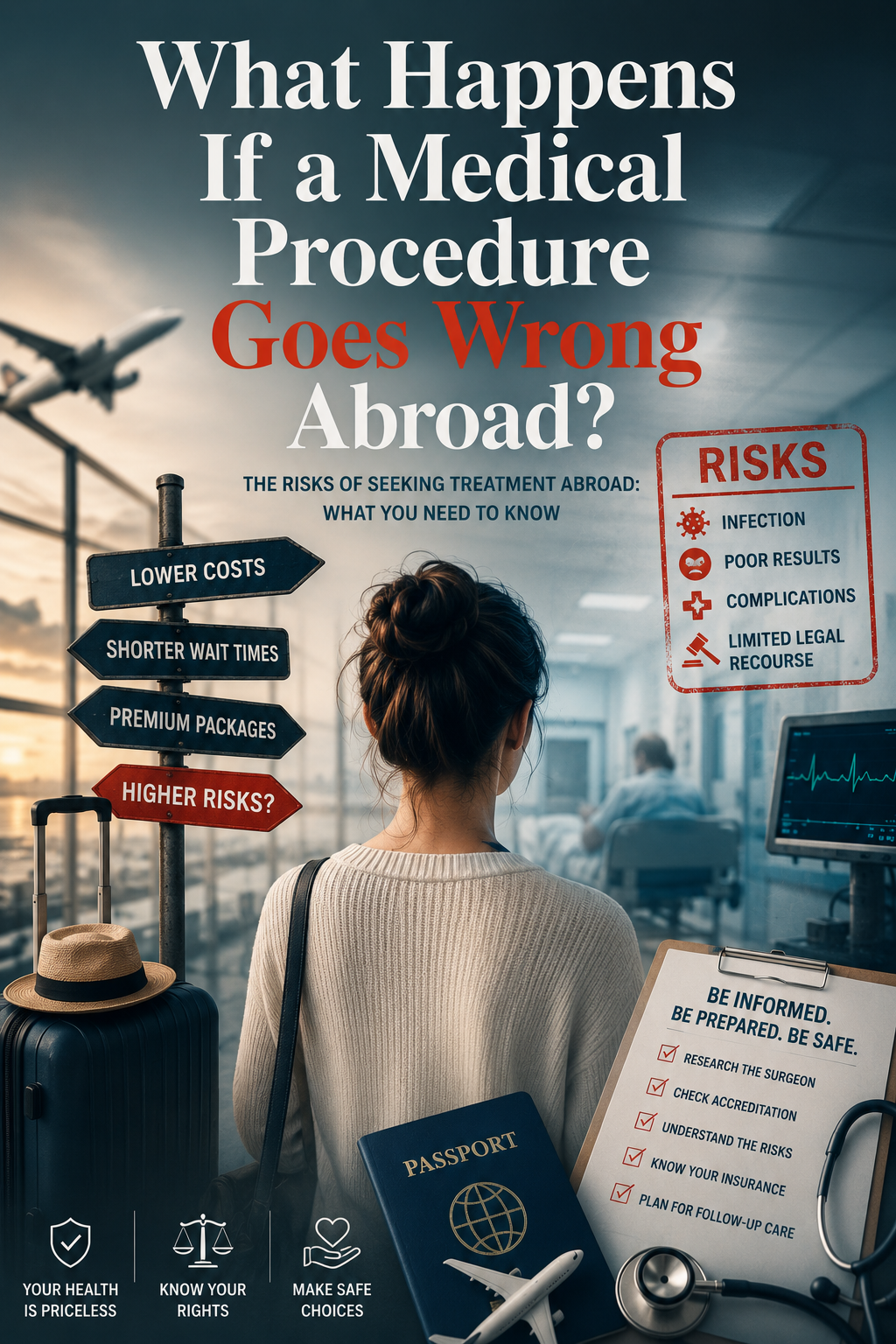
Before surgery, choosing the right surgeon and clinic can have more critical consequences than you might expect. Before agreeing to see a doctor abroad, be sure to ask the following questions and do your research:
The surgeon’s training and experience: Which medical school did they graduate from, and how many years’ experience do they have performing this procedure? For example, did they complete their specialist training in the US, or did they qualify as a surgeon in another country? (Check their specialist qualifications and educational background.)
Facility accreditation: Which international or national inspections has the hospital or clinic where the procedure will take place undergone? In some countries, the accreditation of healthcare facilities is not stringent. Make sure the hospital is accredited.
History of malpractice and disciplinary action: Check the doctor’s or clinic’s previous complaint records. If the surgeon has practised in the US, you can access reports on state health websites. Is there a history of complaints, penalties or legal proceedings?
Follow-up and contingency plan: What will post-operative care involve? Where will you receive treatment if a complication arises? Are the options for investigations and re-operation in an emergency clear? Be wary if the hotel or clinic you are staying at states that “the total package price is all-inclusive and covers the time required in the event of a complication”.
Contact: Ensure that you remain in contact with your doctor in your home country during the post-operative period. A language barrier or an unreachable doctor can exacerbate any problems.
The common thread running through these recommendations is not getting hung up on the “cost” but prioritising security and transparency. The constant pursuit of “low prices” often involves hidden costs that cannot be ignored.
Insurance and Legal Restrictions
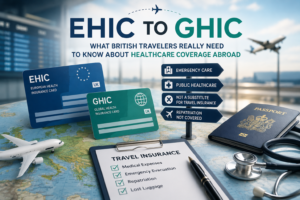
One of the biggest misconceptions among patients travelling abroad for treatment is the belief that their insurance cover remains in force. In reality, almost all travel health insurance policies or credit card policies do not cover expenses incurred abroad for elective surgery. Even the Ontario Health Insurance Plan (OHIP) only accepts payments for treatment abroad in cases of medical necessity, such as scar revision or cancer surgery; it does not cover procedures performed solely for aesthetic purposes, such as tummy tucks.
As a result, plans made to save money before surgery often lead to unexpected additional costs. For example, a Canadian patient who had to deal with complications such as fluid build-up in the salivary duct says, “I underwent three separate procedures in hospital, but I still saved between 60,000 and 75,000 dollars compared to US prices”; however, whilst highlighting this saving, he also acknowledges the health crisis he went through. Nevertheless, he feels he has made some savings on his package deal due to the favourable exchange rate.
From a legal perspective, however, it is very difficult to seek redress for a fault that occurred abroad. For a patient wishing to initiate legal proceedings following a breach, even communicating with the clinic in Costa Rica in English is a challenge; it has been said that the costs in terms of time and money are prohibitively high. In many countries around the world, accessing healthcare service contracts from abroad is problematic and costly.
In short, in the event of a medical error occurring abroad, insurance companies will not pay out; it will not be classified as an accident, court proceedings are lengthy, and the outcome is uncertain. Therefore, you should also bear in mind that you may be faced with unexpected bills following treatment.
Tips for Healthy Choices
Whether you’re embarking on a medical journey from Europe, Canada or the US, remember that “there’s more to it than meets the eye.” Here’s a short list of things to bear in mind:
Put everything in writing: Ensure that all services, prices and payment details agreed upon prior to the operation are clearly set out in the contract. Before you leave, keep a copy of documents such as medical records, prescriptions and receipts.
Dig deeper into your research: Online reviews of clinics and doctors, as well as experiences shared on forums and social media, are extremely valuable. A good clinic will not hesitate to share the views of its satisfied former patients.
Let quality, not cost, be your guide: When comparing prices, never compromise on your monitoring and intervention infrastructure.
Don’t risk your health whilst on holiday: Returning home immediately after cosmetic or orthopaedic surgery increases the risk of blood clots. If possible, stay in the country you’re visiting for a few more weeks to have a follow-up check-up.
Get support from a local: Stay in touch with your doctor in Canada or the US. Remember that there are professionals within the local healthcare system who can guide you should any issues arise.
To sum up: Stinginess isn’t an illness, and saving money can be a sensible choice. However, don’t underestimate the risks when it comes to your health. Whilst the advantages of having surgery abroad may seem appealing, consider all the potential scenarios that could go wrong. After all, it is not the beauty of cosmetic surgery that matters; what truly matters is the quality of your life and your health.
Remember, the best plan for your healthcare journey will be to make safe and informed decisions. Be cautious at every step, keep your loved ones informed, and, where possible, discuss any situation with your colleagues. Thorough research into suitable doctors, comprehensive insurance checks and sound legal advice will help ensure your ‘health holiday’ abroad is as safe as possible. Ultimately, your health is worth every penny.