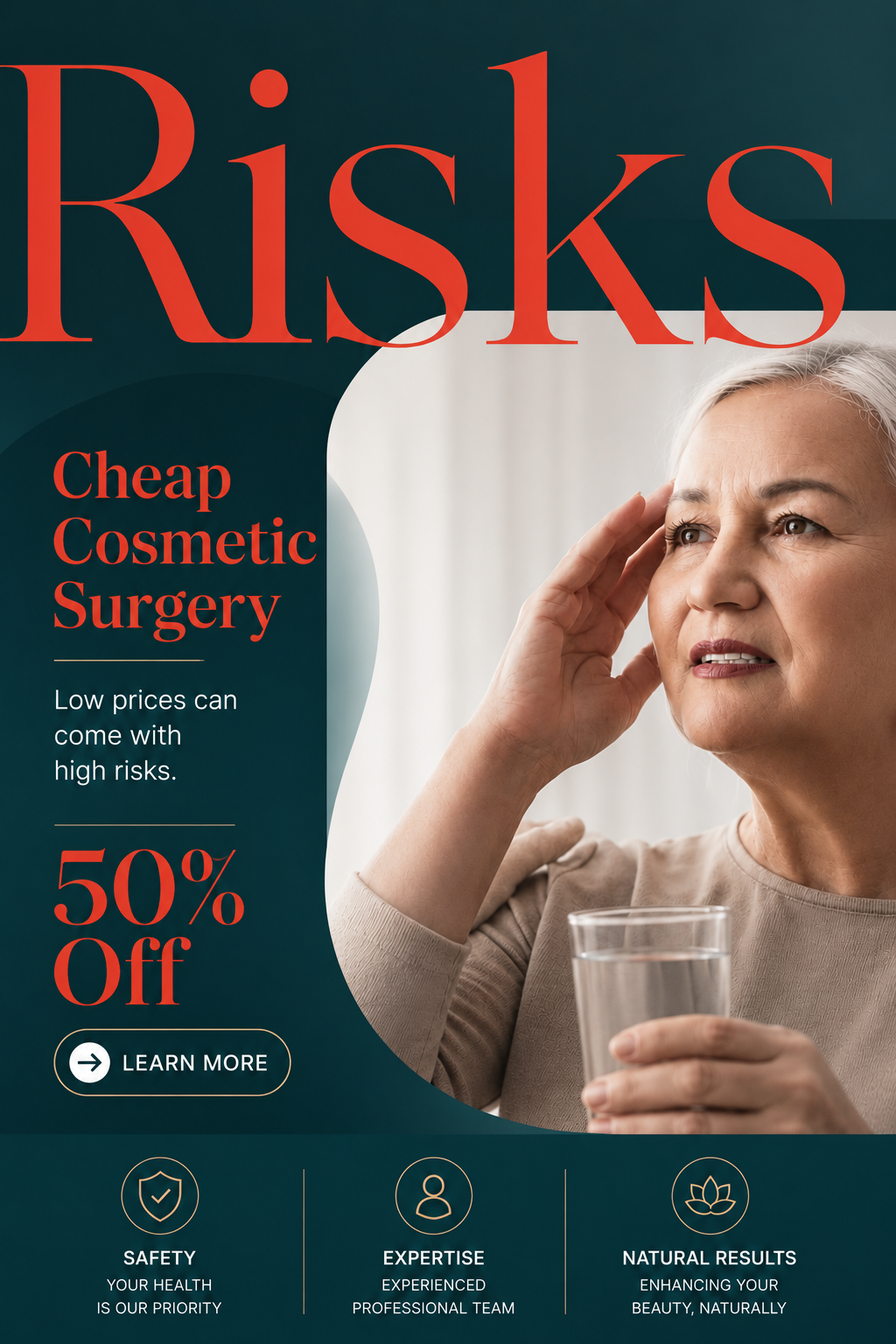
Everyone looks for options that fit their budget; attractive discounts and package deals sure sound appealing. However, in cosmetic surgery the trio of “cheap, quick, and hassle-free” often turns out to be anything but real. Think of it like buying a car: if it’s very cheap, there’s a good chance you’ll end up with a lemon—a vehicle that constantly breaks down. In surgery, though, mistakes can cost far more than a few dollars. Experienced surgeons warn that any offer sounding ridiculously low should immediately put you on guard. We all want the best deal, but what really matters isn’t the price—it’s the surgeon and clinic you trust.
Hidden Costs of the Operating Room
Cosmetic surgery is much more complex behind the scenes than it might seem. For example, picture a surgeon’s clinic: in the back is a standard operating table, with a monitor in front and an anesthesia machine at the head. According to experts, each of these devices can cost tens of thousands—sometimes hundreds of thousands—of dollars. The operating room also needs a dedicated ventilation system (an HVAC unit) to keep the air sterile. This unit alone can run around $150,000–$200,000. It ensures that the surgical environment has clean air and the right humidity. On top of that, costs include the anesthesia team, medical supplies, and the salaries of doctors and nurses. In short, there are real reasons why a high-quality plastic surgery procedure can be expensive.
In cheap packages, any one of these cost items might be cut out. Maybe an unqualified assistant is used instead of a certified anesthesiologist, or sterilization procedures are relaxed to save money. Think about it: if a surgeon advertises an “all-inclusive package” at a suspiciously low price, be sure to ask questions. Usually when the price is that low, something is being compromised—whether it’s the materials, the hygiene, or the experience.
The Price of Cheap: 3 Major Compromises
Cosmetic treatments—like any medical procedure—must be taken seriously. As often emphasized by experts, cheap prices usually come with three main compromises:
Low-Quality Materials: In bargain surgeries, the implants, fillers, and needles used might not meet medical standards. Inferior implants or unbranded fillers can fail to give the desired results and may even harm your body. In fact, if even Botox is offered for well below its normal rate, that should raise a red flag—always ask why it’s so cheap.
Poor Hygiene and Safety: Meticulous sterilization is a must in an operating room. Some low-cost clinics might skimp on these protocols to cut expenses. For instance, they might use ordinary cleaning solutions instead of hospital-grade disinfectants. This can dramatically raise the risk of infection and complications. As one doctor explains, compromising on health and cleanliness can have dangerously serious consequences for patients.
Inadequate Expertise and Experience: Doctors or operators at extremely cheap clinics may lack experience. Sometimes non-medical staff or doctors from other specialties claim they can perform these procedures. For example, hair transplants—as popular as beauty pageants—are done by many different practitioners, which can hurt the quality of the results. You definitely don’t want to be a surgeon’s unpaid test subject. It’s the years of experience and specialized training a surgeon has that truly determine the safety and success of an operation.
Usually, all three of these issues come hand in hand. Cutting corners on materials and skimping on sterilization both lower costs; a surgery can only be that cheap if you’re willing to make these kinds of sacrifices.
Real-Life Examples
Many patients only learn the true cost of cheap cosmetic surgery after their procedure is done. One particularly sad story involves a man who underwent a male breast reduction (gynecomastia) surgery offered at a very low price. In the end, instead of achieving the chest contour he wanted, his chest remained almost as full as before, and a large scar was left behind. Realizing the inexpensive operation hadn’t given him the results he wanted, he later went to an experienced surgeon for a correction. Although the revision was successful, the large scar remained almost unchanged. Unfortunately, as one account notes, some outcomes can be permanent: the ideal chest shape may never be reached, and an “uncorrectable” scar could stay for life.
In another case, a very slim, tall young woman with a history of mild anxiety disorder was given very large 600cc breast implants. Allegedly, after the surgery she woke up feeling cramps and shortness of breath. The surgeon simply said, “You’ll get used to it,” but her panic did not subside. Over the next six months, her mental health seriously deteriorated and her daily life became almost paralyzed. Finally, she insisted: after just nine months she had the implants removed. Once in the recovery room and breathing easily, this young woman said, “I really feel better, I’m relieved.” Six months later, under medical supervision, she was able to stop her medications—her anxiety attacks stopped completely after the implants were removed. While this example is more about finding the right fit for an individual rather than just price alone, it clearly shows that choosing the option best suited to your body should always be the top priority, not simply sticking to a budget.
What to Consider When Choosing a Surgeon
When a cheap package offer comes along, pause and think. Cosmetic surgery can change a person’s life; make sure you thoroughly explore your options. The following checklist can guide you toward a safe choice:
Surgeon’s Qualifications: Is the doctor a board-certified plastic surgeon? Make sure they have a specialty certificate in aesthetic surgery, not just a general medical degree. It’s also important to ask, “Can you perform this procedure in a hospital setting?” Only fully certified specialists are authorized to operate in hospitals.
Clinic and Equipment Quality: Will the procedure take place in a standard operating room? Are critical devices like anesthesia machines and monitors all in place and functioning? Are implants, screws, and fillers medically approved products? A verbal promise isn’t enough—you have the right to tour the facilities and inquire about the technical equipment. Check if an ambulance or intensive care unit is on standby and ask what measures they have in place for emergencies.
Hygiene and Safety Measures: How sterile is the operating room? Are the instruments and supplies single-use? Do the staff have proper training certificates? Ask whether the infection risk is kept to an absolute minimum. Make sure they are not using cheaper, non-sterile alternatives (like non-medical cloths or gloves) just to cut costs.
Patient Reviews and Before/After Photos: Read about previous patients’ experiences and look at official before-and-after photos published by the clinic or surgeon. These can give you an idea of how lasting and satisfying the results are. As the saying goes, “seeing is believing” — you really should see evidence of patient satisfaction.
Full Cost Inquiry: Ask exactly what is included in the price quote. Does it cover anesthesia, hospital stay, implants, or other extra costs? Sometimes a very low quoted price only includes the surgeon’s fee, with prescriptions, medications, or additional treatments billed separately. Read the contract carefully to understand all the details.
Communication and Trust: Observe how much time the surgeon spends with you during the pre-operative consultation. How confidently and openly do they answer your questions? If a surgeon treats patients as “just a number,” they might not be the right fit for you. As one expert puts it, in this field “everyone wears scrubs instead of a suit” — meaning the surgeon should care about you as a person. Those who prioritize the patient-doctor relationship above all are the ones you want.
You could probably think of even more questions to ask. Ultimately, asking these questions can be lifesaving compared to simply saying “the price is fine” and going ahead. The details you notice during a clinic visit—every piece of equipment, every safety measure—can make all the difference in your outcome.
Conclusion: Invest in Your Health and Quality
Think about it: is saving a few thousand liras really worth years of psychological and physical problems? As one saying goes, cheap things often bring regret—not just once, but multiple times. Cosmetic surgery isn’t a one-time deal; making the right choice means satisfaction that can last a lifetime.
In the end, what you expect from a cosmetic operation isn’t just a change in appearance, but a restoration of your confidence. Beauty isn’t a bank account you can “undo” later. The quality of the work is what prevents dangerous mistakes. Don’t risk it just because of a low price tag—choosing a good surgeon and a well-equipped clinic is the guarantee for results you’ll carry for life.
Corner-cutting offers won’t be remembered as a “great deal” you’ll forget about soon; they’ll stick with you as reminders of a bad decision. Your health is far more precious than any bargain.
The Hidden Risks of Cheap Cosmetic Surgery Packages