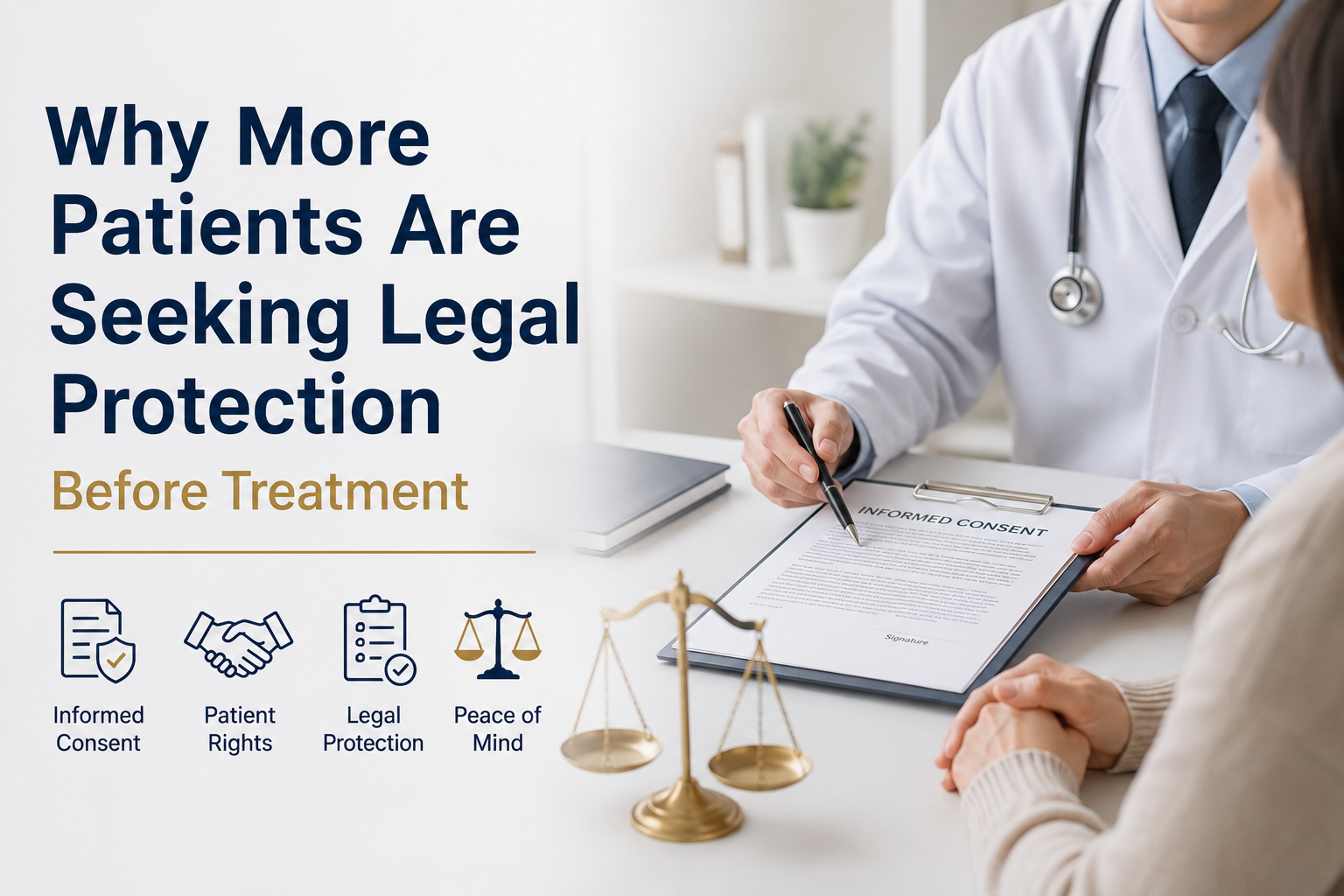
Nowadays, patients are increasingly questioning their rights and responsibilities before medical decisions and procedures are carried out. Research in the field of medical ethics and law indicates that patients are becoming increasingly aware of their rights to information and consent. It is noted that effective legal protection enhances trust in the healthcare system and improves the quality of care. Consequently, many patients wish to review informed consent forms, contracts and legal safeguards prior to treatment.
Informed Consent and Patients’ Rights
Today, the patient’s right to ‘informed consent’ is legally recognised in almost all countries. Many health laws emphasise patients’ right to receive clear information about their diagnosis, treatment and potential risks. Furthermore, patients’ rights—such as the right to refuse treatment, seek a second opinion, access medical records and lodge a complaint—are also safeguarded.
Research shows that, despite the existence of protective legislation, healthcare workers and patients are not sufficiently aware of their legal rights, and that violations of these rights are rarely reported.
In addition, patients and their families should carefully review hospital contracts, consent forms and warnings regarding complications before treatment begins. One of the biggest problems in this regard is that patients travelling abroad for treatment often proceed with procedures without reviewing such documents.
The Difference Between Medical Malpractice and Medical Risks
One of the issues that patients are most concerned about is the possibility of “medical malpractice”. Medical malpractice refers to situations where a doctor performs a medical procedure contrary to professional standards, resulting in harm to the patient. In contrast, medical risk refers to unexpected complications that may arise even if the procedure is performed correctly. For example, adverse events such as infection following heart surgery or a drug allergy, which develop beyond the doctor’s control, are considered medical risks.
Under the law, a doctor cannot be held liable if medical risks materialise; however, in cases of alleged medical negligence, the doctor must prove that they acted in accordance with all relevant standards.
Strengthening Communication Between Patients and Healthcare Providers
Generally speaking, the reason patients choose to take legal precautions before treatment is linked not only to growing awareness but also to changing expectations regarding healthcare services. In particular, prior to cosmetic procedures, patients sign detailed consent forms and sometimes seek legal advice.
On the other hand, medical advances are expanding the range of treatment options, and patients are finding more alternative treatment options. This, in turn, is forcing healthcare organisations to be more transparent. In short, we are in an era where patients’ rights and legal protections are increasingly coming to the fore.
Why More Patients Are Seeking Legal Protection Before Treatment